Meet the Sound Seekers Keeping ‘Ears to the Concrete’ at Half Moon: A Conversation on Music, Culture, and Taste
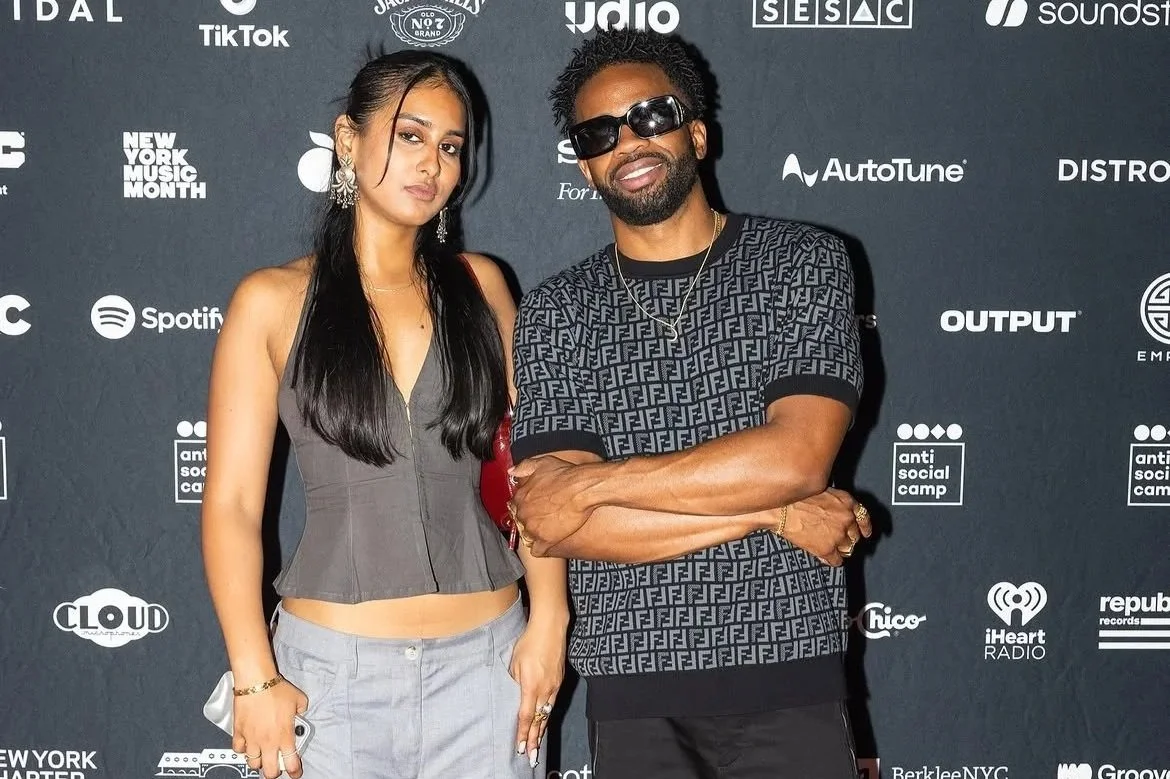
Courtesy of Half Moon: Pictured are Tarini Lal and Surf Allah
As DJs continue to shape culture and streaming opens the door to more sounds than ever before, we sat down with the brains—or, shall we say, “ears”—behind Brooklyn-born music collective Half Moon.
In our conversation, we dive into the worlds we love at Pike: music, culture, taste, and the role each plays in bringing people together.
Before we talk about Half Moon, tell me a little about who you are outside of music.
T: Right away, my mind goes to my other job—I work in marketing and strategy for Brand Partnerships. Outside of that, I have a range of hobbies: watching movies (I love rating everything on Letterboxd), spending time with friends, traveling, working out, and grabbing a drink. Even outside of work, music is still a big part of my life. I go to a lot of shows. I like being a consumer in the space, even if I’m not working.
S: I come from a Brooklyn-Trinidadian background and consider myself a man of the people, lover of the arts, and NYC culture enthusiast.
How has your cultural background shaped the way you build community?
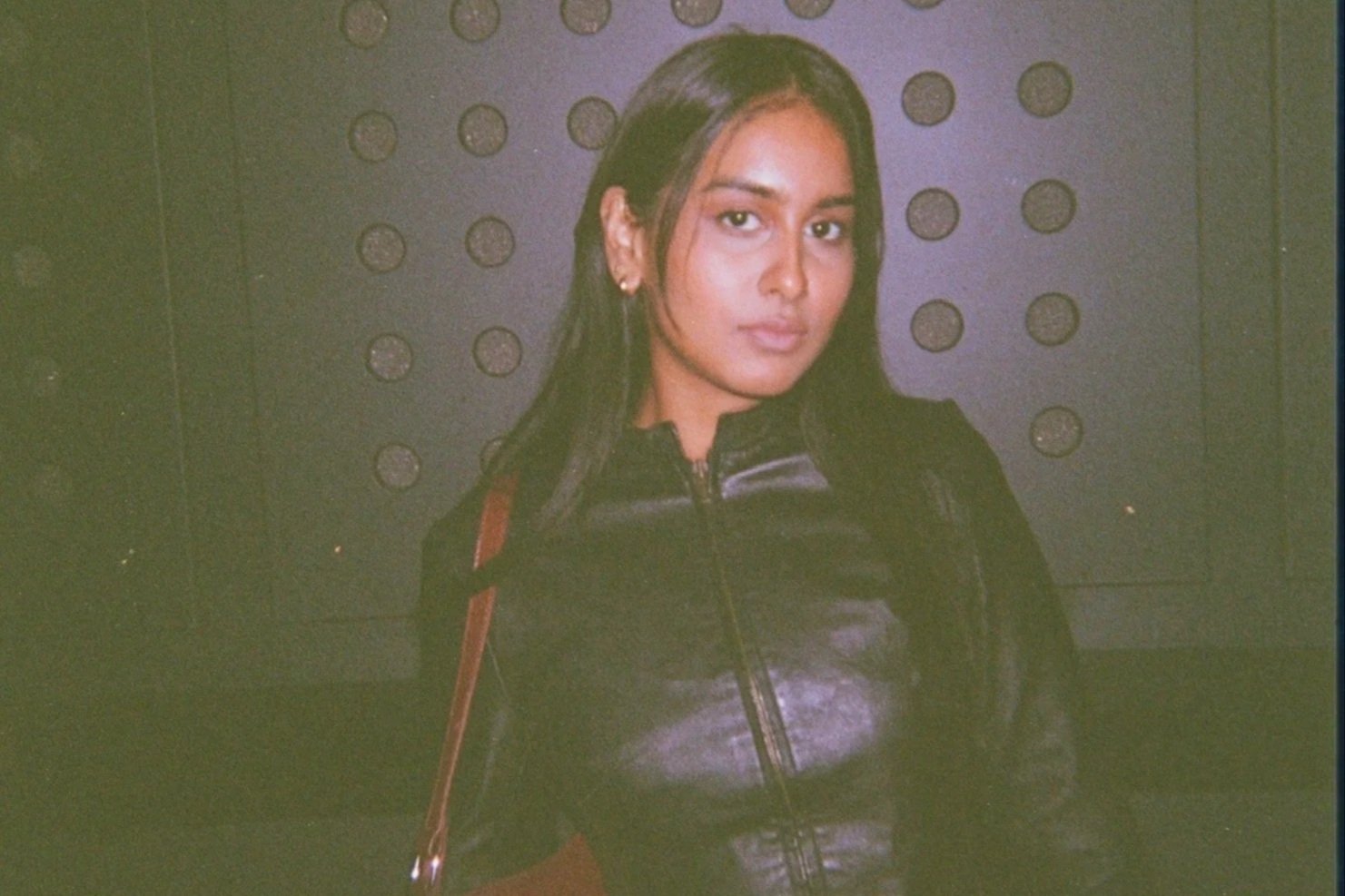
Tarini Lal
T: Mine is very unique because I grew up in so many different parts of the world (Delhi, Dublin, Hong Kong, Boston, New York and now London). One thing I’ve always resonated with what Surf and I do is that we're not very clicky or restrictive. We connect with a lot of sounds and different genres, where other collectives may have a limited range. We’re always looking for new things.
After I moved to London and now that Surf is splitting his time in Rio, we started asking ourselves, “Why not do a world tour? Why not connect with different places around the world?” From there, I reconnected with my roots by getting involved in the South Asian music scene and realized there wasn’t much coverage or many voices in that space when I was growing up. At the same time, Surf explored the scene in Rio, and we were able to become experts in our new environments. We’re always trying to learn and expand what we represent.

Surf Allah
S: Growing up in East Flatbush had a huge impact on how I think about community and how I approach building anything. I was born in the early ’90s, and at that time, and still today, East Flatbush was such a unique neighborhood in Brooklyn—really the heart of Caribbean culture in New York. New York is known as a melting pot, but my corner of it was deeply rooted in Caribbean identity. I was surrounded by people from different islands, and I learned so much from that blend of cultures while also seeing how the Black American community and Caribbean culture existed together in a way that felt completely unique to Brooklyn.
There was so much island influence everywhere, from the food and music, to the block parties and the way people opened their homes to each other. We didn’t grow up in the typical Brooklyn apartment experience; a lot of us had backyards, driveways, basements, and spaces where we could create our own environments. People made something out of what they had, and those spaces became places for connection. That upbringing really shaped the way I think about building community. It taught me about resourcefulness, collaboration, and the idea that you don’t need much to create something meaningful. A lot of my work ethic comes from that environment—the collectivism, the trust, and the sense that community is something you actively create.
What does "home" mean to you? Is it a place, a feeling, or a group of people?
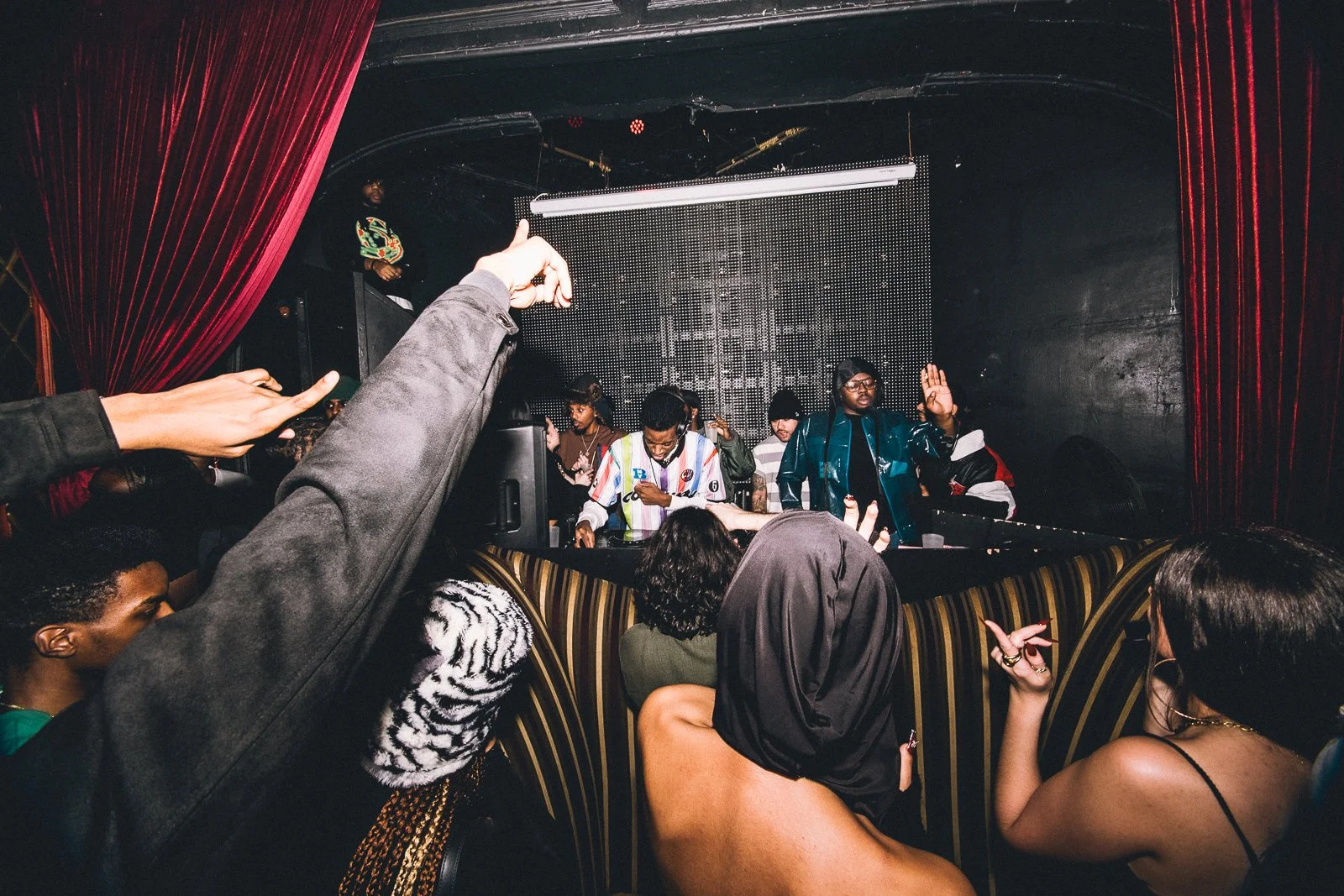
Courtesy of Half Moon
T: Because I moved around so much, I would say home is more about the people. That being said, NYC was the only place I ever felt at home, simply because of the energy: everyone’s a little less conventional, people resist conformity, and everyone’s following a dream. I can relate to that.
S: Home is where you can walk without your shoes on, a place where you can fully be yourself. No matter where I go in the world or what I accomplish, coming back to my neighborhood keeps me grounded. I’m still me—I’m still the kid who used to ride the scooter around the block. That will always be a part of me.
What's something you've learned about yourself through building Half Moon?
T: I’ve learned that you don't need to know something to get it done. You just have to figure it out. You might not think you’re doing it right but that gives you a lot of freedom. Building Half Moon showed me how much every little thing leads to something else. It’s never about doing it perfectly, but about keeping at it.
S: I’ve learned that I find joy in helping people and seeing them win—that’s my purpose, to be a connector, a stabilizer, a levitator. Theirs such strength in numbers, so in the beginning it was bringing together the underserved and making our own table.
After a late night event, where do you usually end up heading to?
Courtesy of Half Moon
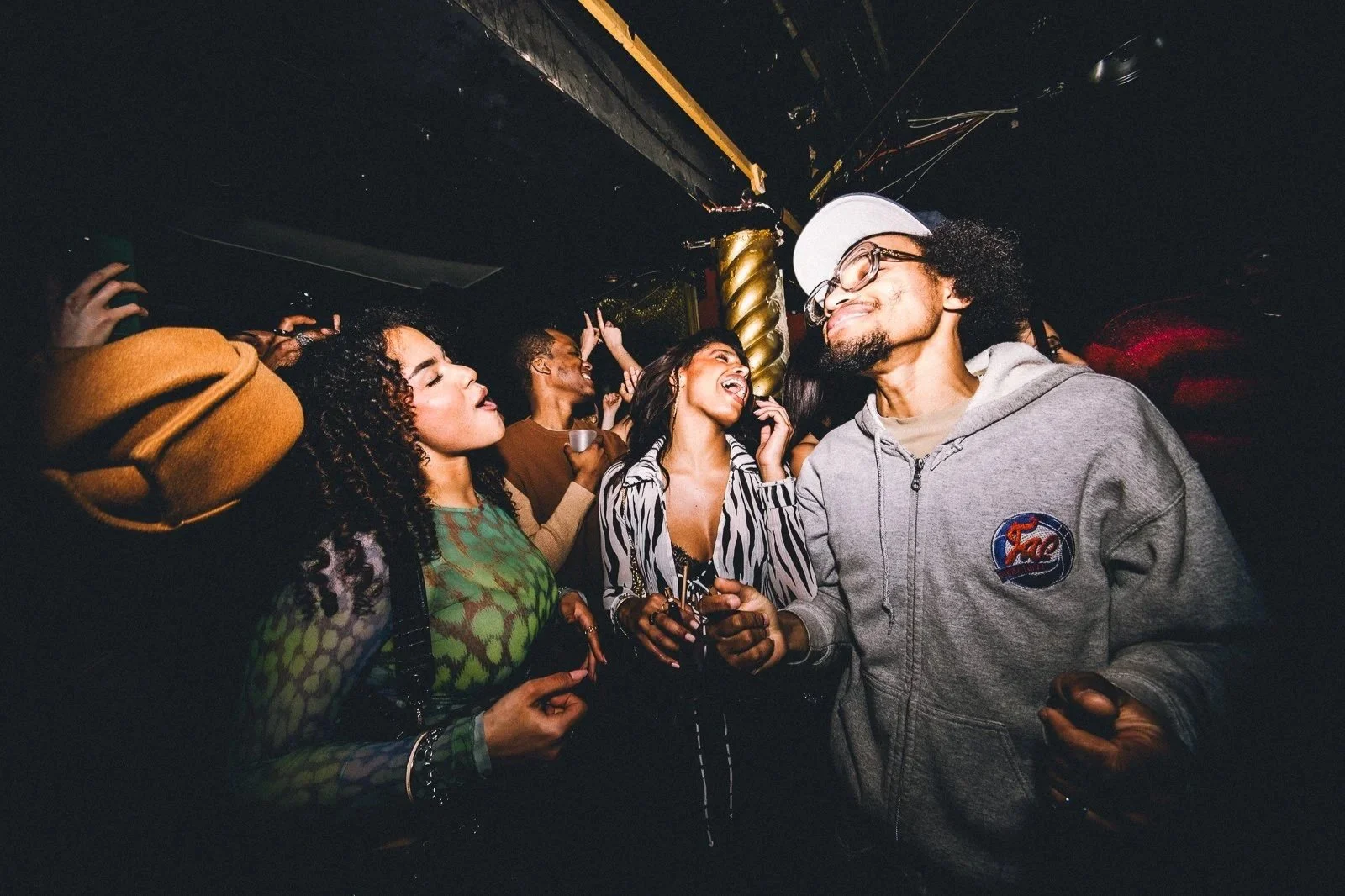
T: I’m definitely an afters girl. If I’m in NYC, I like to check out Treasure Club, Rocka Rolla, Lucky Dog, Old Flings, etc. If I’m not in NYC, I love going back to someone’s house. We all watch random videos and end up yapping about the most random shit—it’s normally my favorite part of the night.
S: I head to my thoughts. Contemplate what’s next, how we could improve.
What felt missing from the music scene that made you start Half Moon?
T: Half Moon started with house music and it was a lot of representation for people of color and them missing out on bookings. That’s why we started the radio station to take back control: book who we want, provide access to equipment, like CDJs to people who couldn’t afford it, be with like-minded people, showcase what’s not being commercialized and start our community that didn’t exist prior. NTS in London is a great example of that.
S: I had really been into electronic and house music and at the time there wasn’t much space for Black people in dance music, at least in Brooklyn. There were people with a passion who weren’t being catered to. Many loved the music but didn’t have access or didn’t know to use CDJs.
What's something people misunderstand about what you're building?
Courtesy of Half Moon
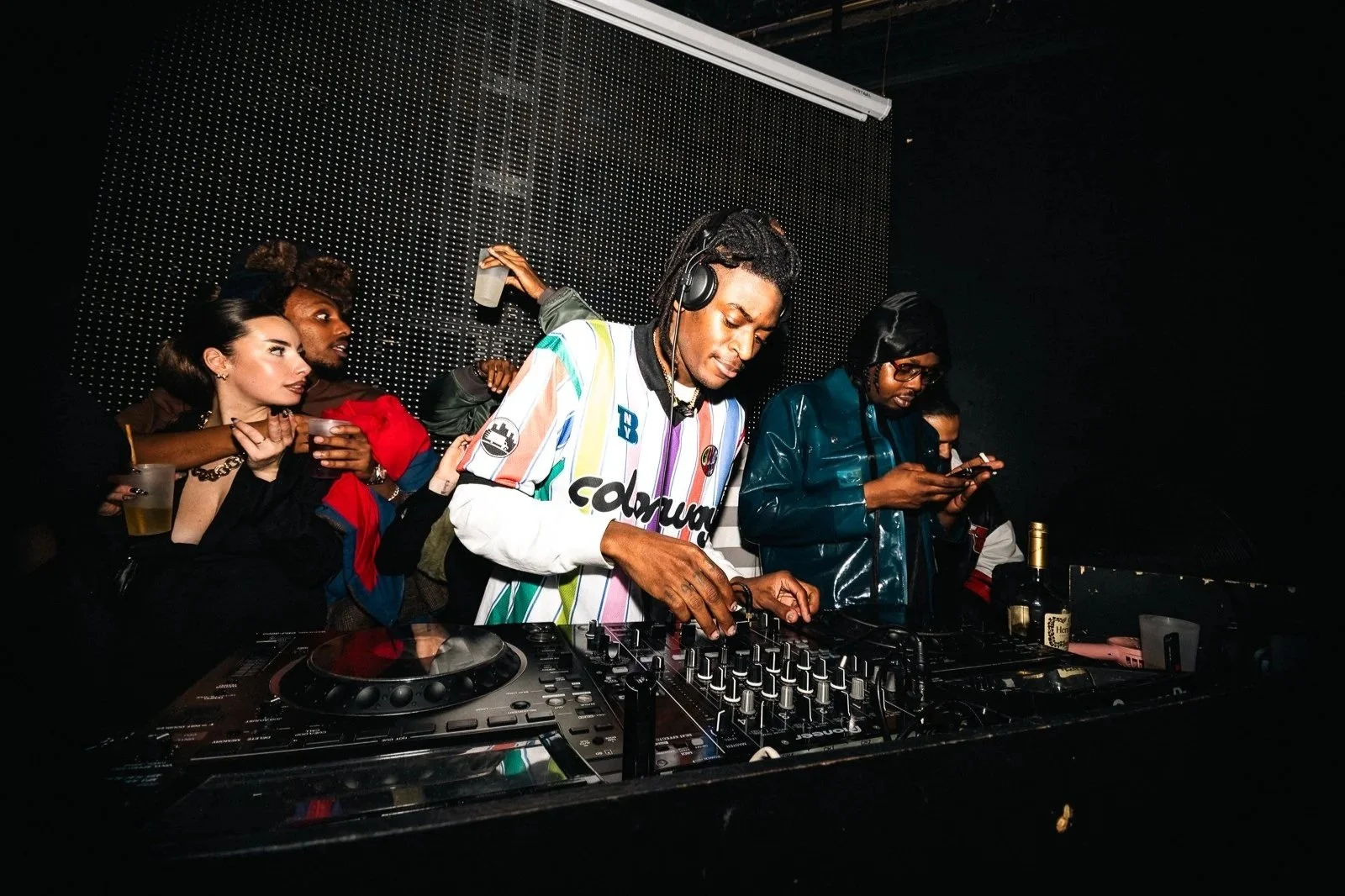
T & S: Specifically within the DJ community there’s a huge misunderstanding of hype. We’re interested in booking real talent, and that talent doesn’t always equate to followers or who's trending online. And since DJs have grown in popularity and people are looking where to find them, sometimes people forget about appreciating the skill and technique to it. That’s why we don’t always book headline acts. We want to be that stepping stone. A lot of people have passed through Half Moon to become headline acts. We’re really for the people who simply love music.
Everyone says they have good taste. What separates great taste from good taste?
T: Great taste is not conforming to what people are already listening to. It's easy to say you have good taste when you have 10 people to verify. It's about sticking to what you like and understanding why you really like it. That being said, some people can do that and still not have great taste lol so I don’t know it is really subjective.
S: It’s not about being the first to listen to something, but rather being early to something that will withstand time, have longevity and consistency. We‘ve always been able to do that. Brands trust us because we’ve proven that over time with having great taste, filtering through the bullshit and being selective.
What makes you stop and pay attention when you hear a new artist for the first time?
Courtesy of Half Moon
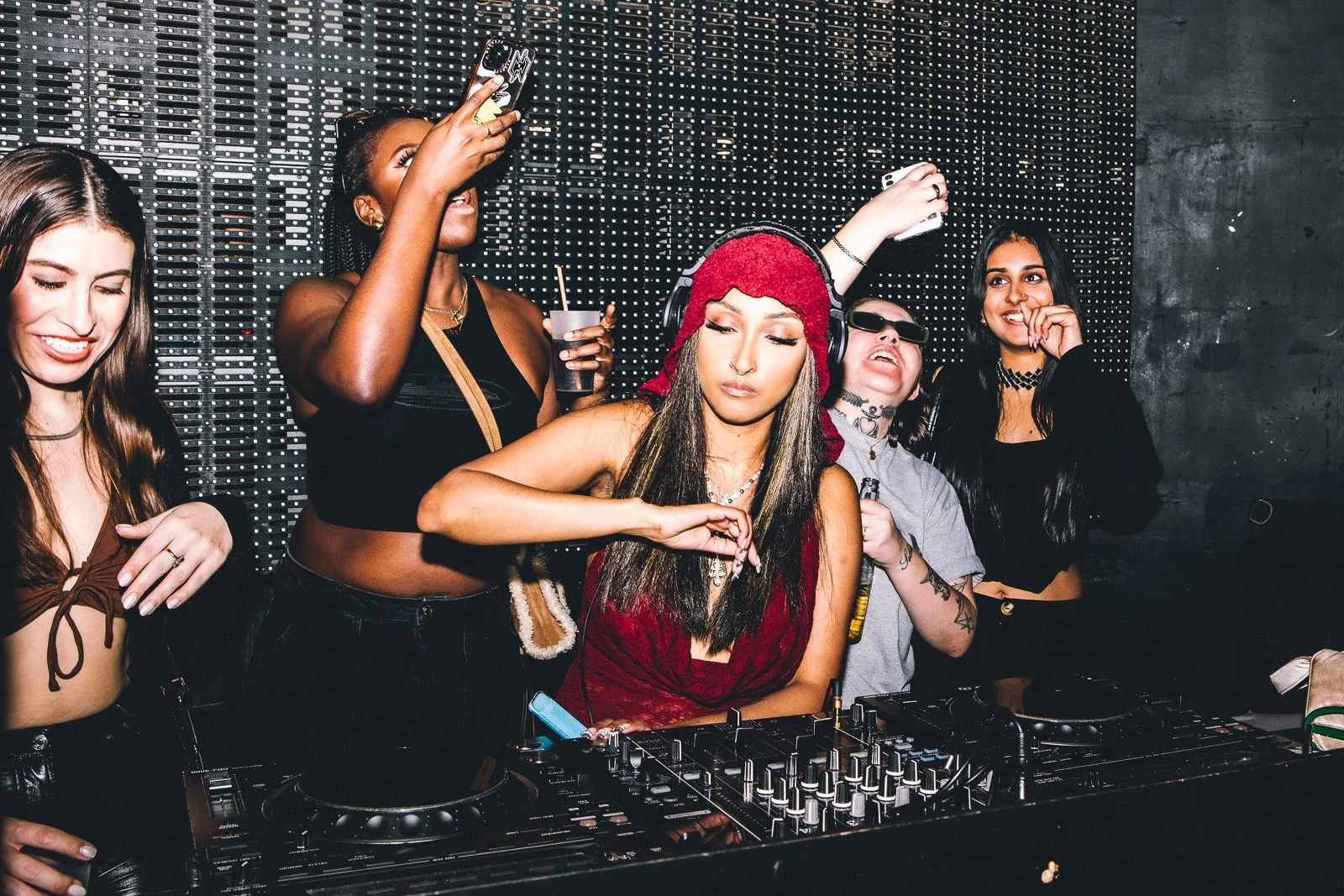
T: It's really hard now because of streaming we just hear so much stuff. I’d say I stop and listen more if someone’s doing something very simple but very well. It’s kind of hard to find that now. I see artists that have good marketing but it doesn't make me want to listen to them. I respect the creativity of the marketing but it doesn't push me to stream. It's really all in the sonics of it for me.
S: Certain people just have that thing and not everyone’s going to see that at first. In 2024, I pulled up to a radio station in São Paulo and this artist Nanda Tsunami was rapping in Portuguese over Grime beats and I was captivated. Fast forward to two years later and she’s one of the biggest rising stars in Rio. She doesn’t even open my DMs anymore and again it comes back to just hearing something and knowing whether they’re special or not.
Can taste be taught, or is it instinctual?
T: I think it’s instinctual to some extent but it can be taught, which goes back to educating yourself on the art. Neither Surf nor I DJ, but when I started working with a lot of DJs, I made a huge effort to understand the technique. Song selection is half the battle, but there's also transitions, knowing your way around the decks, EQing what you're mixing—it's definitely part instinct and part developing your taste by learning how instruments work, what good technique looks like, and what doesn't. In music, not everyone needs perfect technique, so long as what you're doing is unique, and both sides of it matter.
S: With access to the internet everyone can be a tastemaker of something, but taste can’t be taught, it’s subconscious. It’s going after something because it feels natural rather than this person says its a good thing or you see it on the internet. It’s about gravitating towards stuff because it feels right.
How do you stay ahead of culture without chasing trends?
Courtesy of Half Moon
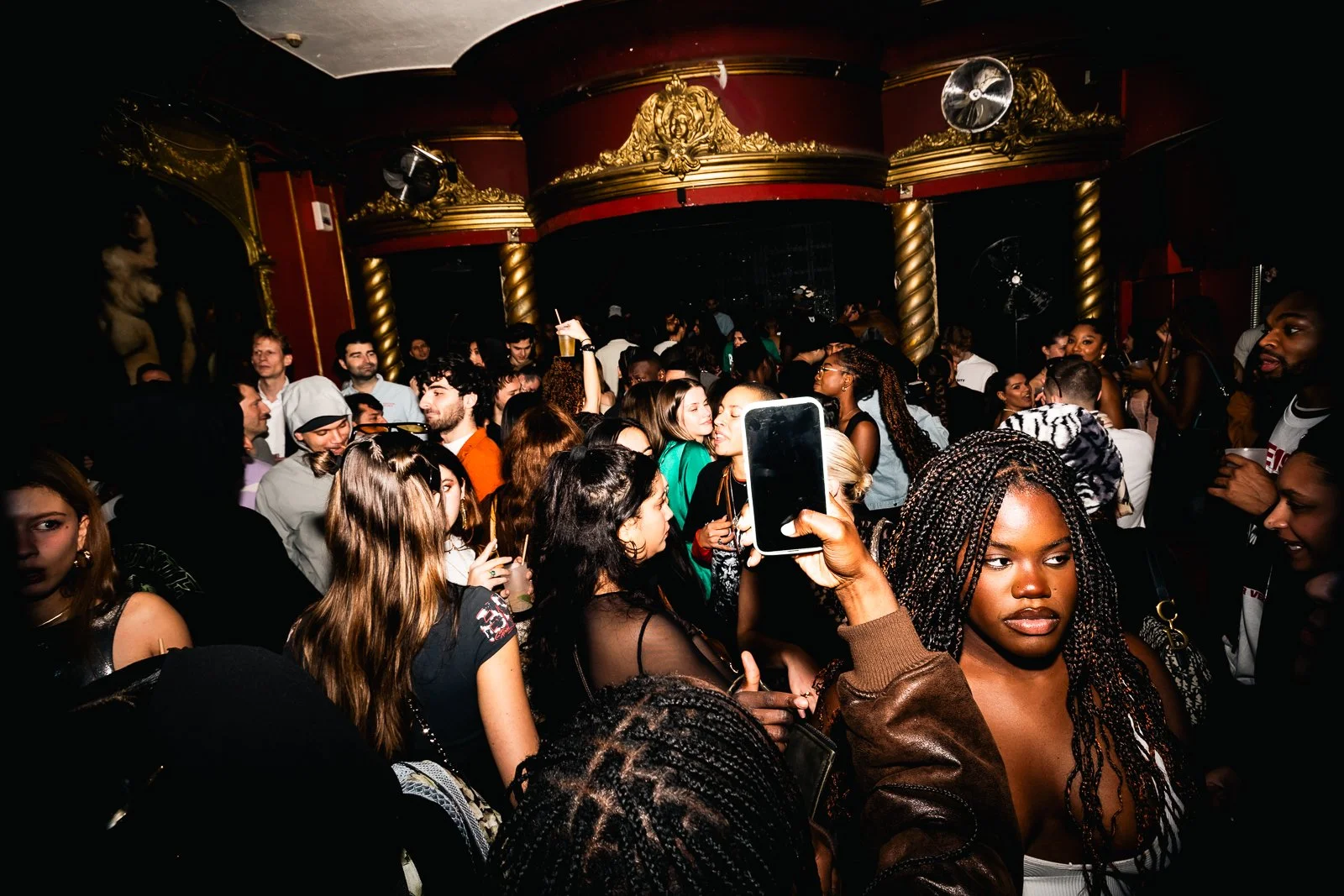
T: My mind goes to Roger's Innovation curve. What makes people tastemakers and trendsetters boils down to one’s curiosity. Always listening and learning, and looking for more. Usually by the time something because viral that’s when it becomes over-commericalized, and the early adopters have moved on. That’s how you stay ahead of culture, you stay curious with the world. You consume not just because you want to be fed what the algorithm gives you.
S: I do it by being ok with not liking something, even if people will judge me for it. I’m ok with not being liked. Everyone wants to become this one archetype but if I don’t like something I’m not going to like it for the sake of others.
What corners of culture are inspiring you right now outside of music?
T: A bit of fashion. Since it can be very trend-led, and with fast fashion everywhere, I’m getting really into more on materials, durability, and how to evolve my style to be timeless so I can start investing in pieces that are worth their price point. Movies are also a huge corner of culture that inspires me—shoutout to Mira Nair (Mayor Mamdani’s mother) who is an incredible director. I loved Mississippi Masala. And I can’t forget about the dance industry.
S: The fine arts, physical activity, and of course, New York history—it’s something I always look through for inspiration. NYC history is so rich and deep. As long as I’m around I’m going to make sure our history gets told in some way while still staying true to ourselves.
What do you think is overhyped in music culture today?
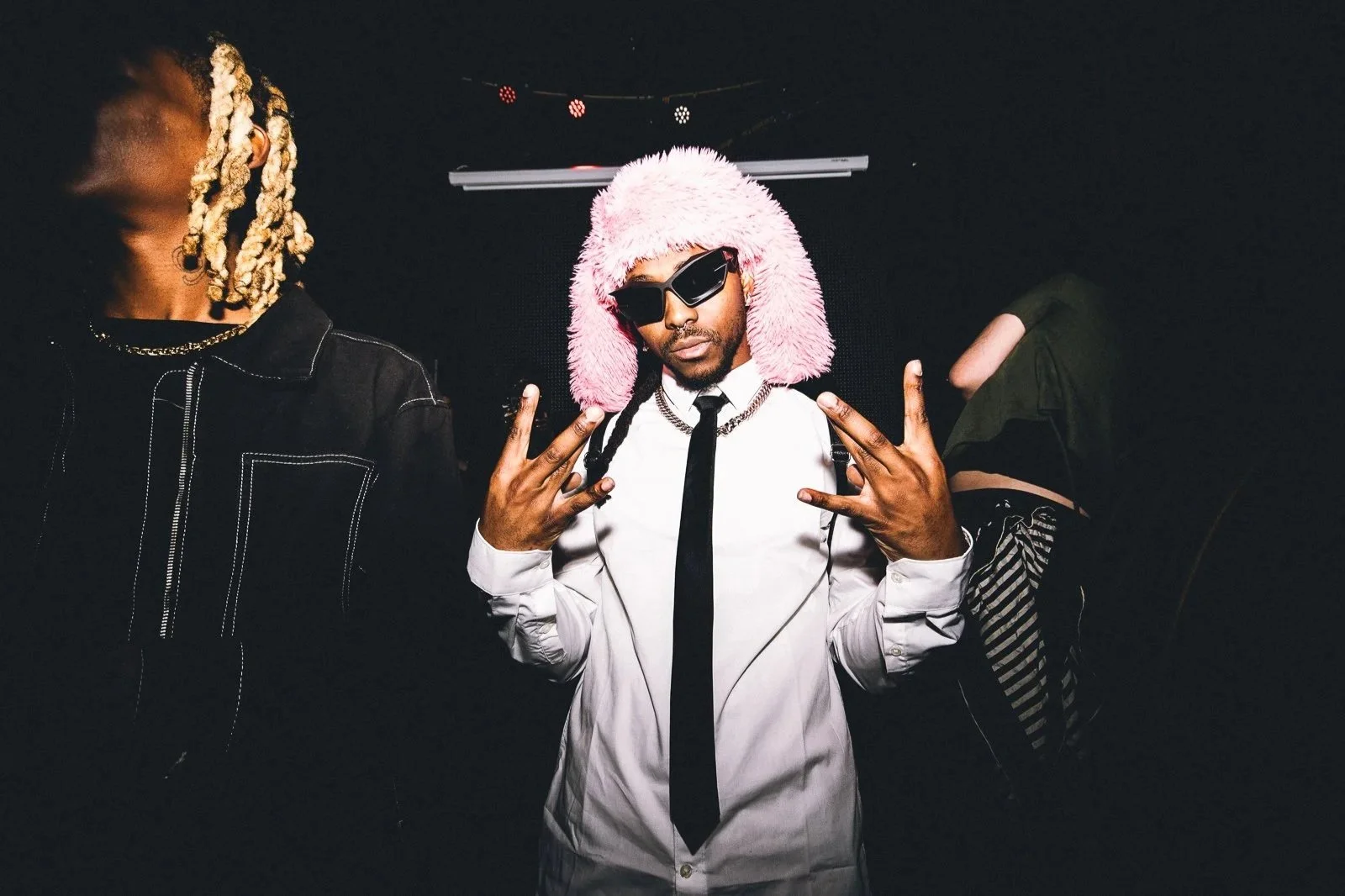
Courtesy of Half Moon
T: DJs, everybody wants to be one. Many who start out ignore the groundwork which feeds into social media. There, one transition can get a DJ 100K but most of those followers only see 20 seconds of a set, meanwhile the rest of it isn’t great. You should be able to be sustained and engaged with effort towards technicality and selections. So many people play the same stuff without individuality.
S: Video recorded DJ sets. We’ve stopped using our ears and became distracted with optics.
What's an underground movement or scene more people should be paying attention to?
T: Online radio stations. They’re a great way for people to listen to music and learn more about their local community, subcultures, and underground stuff on the rise. I urge everyone to go find their local online radio stations and show them support.
S: Pagodão baiano. There’s a great scene happening right now but its not spoken of often outside of Brazil. That shit is infectious, especially being in Brazil.
Which city has the most exciting music scene right now?
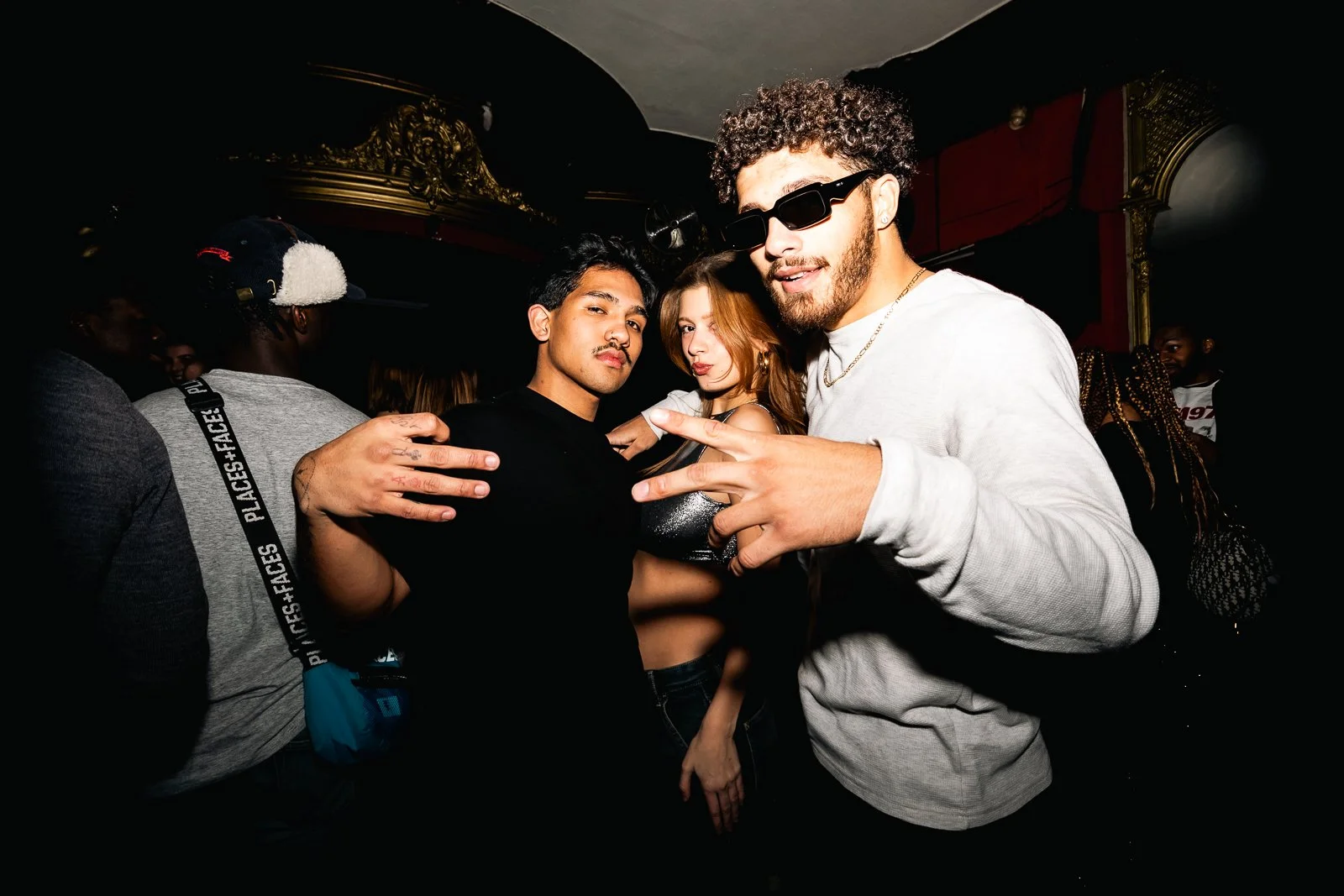
Courtesy of Half Moon
T: Definitely Brazil & South East Asia. Lots to come from both those ares in the next decade.
S: Definitely Rio over NYC as far as new emerging stuff. It’s so exciting to me. However, as far as legacy goes, it’s obviously NYC.
You've hosted events all around the world. What's something every great music city has in common?
T: Good sound systems and speakers in their venues. If you have shit sound it's hard to enjoy music.
S: Hunger.
Favorite city to throw a party in?
T: Still NYC—or Brazil honestly cause they know how to have fun.
S: I love NYC because it’s home but I have to say Rio. When we do stuff in Rio it’s completely DIY. It’s so much work but the people make it so special and I’m addicted to funk. I know the world’s catching onto it, but hearing it over there is unmatched.
Follow more tastemakers and culture ethusiasts by downloading Pike, available on iOS and Android.