Meet the Mad Scientists Behind Brooklyn’s Wildest Kitchen
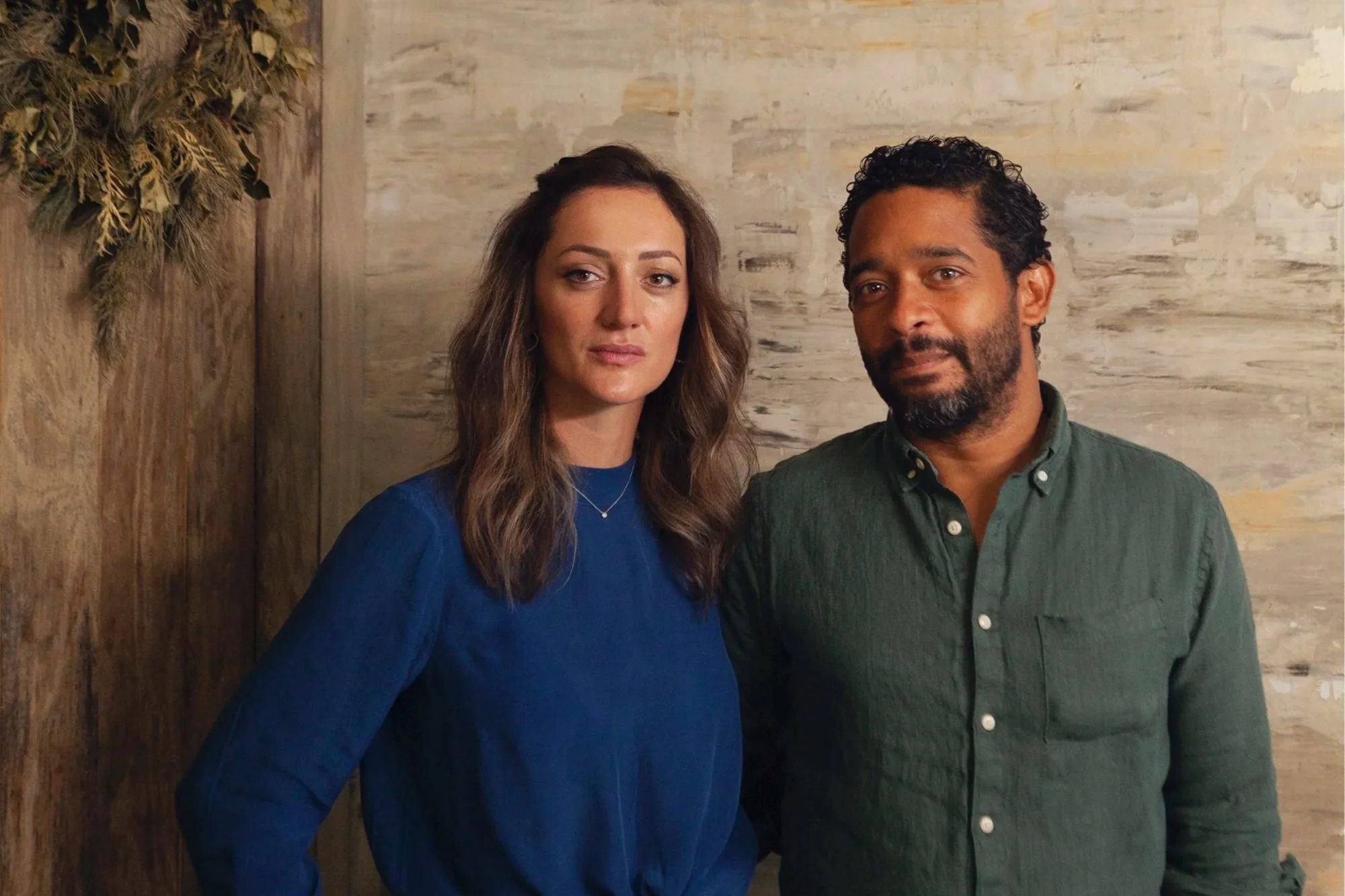
Courtesy of Honey Badger, Photo by Bethany Michaela. Pictured are Fjölla Sheholli and Junayd Juman
NYC’s restaurant scene has always pushed the bar, but few duos are doing it quite like the husband-and-wife team behind Honey Badger in Prospect Lefferts Gardens. Their menu follows 72 microseasons, creating an ever-evolving dining experience that staves off boredom and keeps guests guessing what’s next.
We at Pike, the app meant for curating and sharing guides around the world, met with Fjölla Sheholli and Junayd Juman to discuss the origins of Honey Badger, how their cultures continue to shape the restaurant, take a behind-the-scenes look at their fermentation lab, and more.
Please note this interview has been lightly edited for clarity.Before we talk about Honey Badger, tell me a little about who you are outside of the restaurant
Outside of the restaurant, food is still a huge part of who we are, but it’s less about cooking and more about the lifestyle that comes with it. People always ask me, “What do you eat at home with the kids?” and I used to say, “Oh, regular food, just like everyone else.” But when I really think about it, that’s not entirely true. Yes, we make pancakes, but the flour might come from a local farm, the eggs might come from a woman we know who raises chickens, and our kids grew up eating everything from Italian to Japanese food as part of everyday life.
We’ve taught our children to forage—Nina, our daughter, can identify any tree she sees—and to understand where ingredients come from. For us, food is so connected to nature. That connection has become a way of life, not just something that happens in the restaurant, and that’s become apparent not just within our family, but amongst our friends.
Even our days off revolve around discovery. If we’re taking a trip or staying at a glamping site or an Airbnb, we’ll often spend time foraging, visiting farms, or searching for unique local products. Sometimes we even find the glassware and plates that end up in the restaurant. We’ve really fallen in love with exploring small towns and places we’ve never been before, especially throughout the Northeast.
Explain Honey Badger in a few sentences
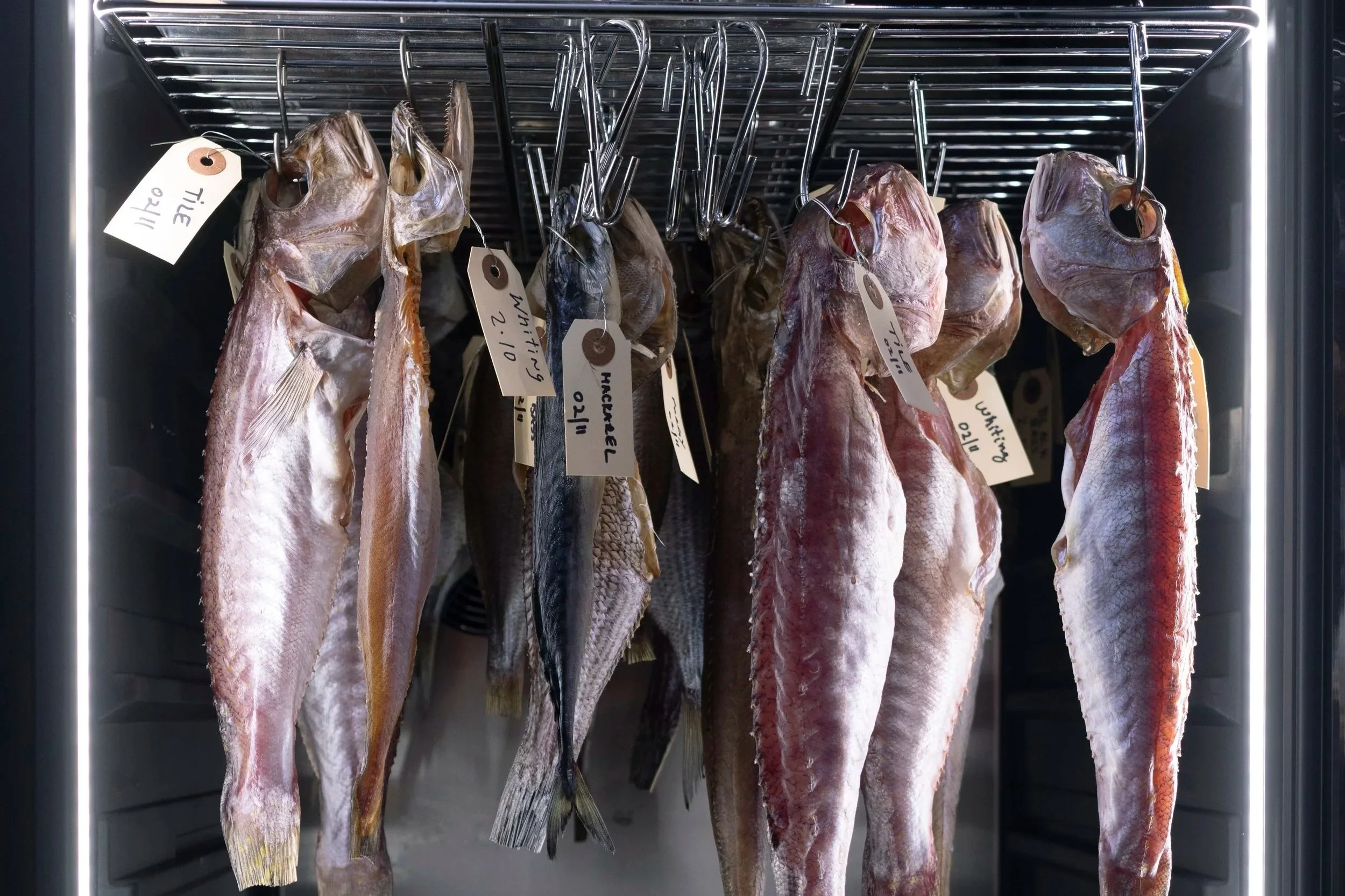
Courtesy of Honey Badger, Photo by Ilir Rizaj
Honey Badger is built around a simple idea: to create one of the most unique dining experiences in America by combining craftsmanship, fermentation, and ingredients native to our region.
At the heart of our work is our Fermentation Lab, where we spend months, and sometimes years, developing wild ferments, vinegars, koji projects, beverages, and preserved ingredients that become part of the menu. Our approach is less about following tradition and more about building a new culinary language rooted in the Northeast, one ingredient and one season at a time.
How has your cultural background shaped the way you build community and clientele?
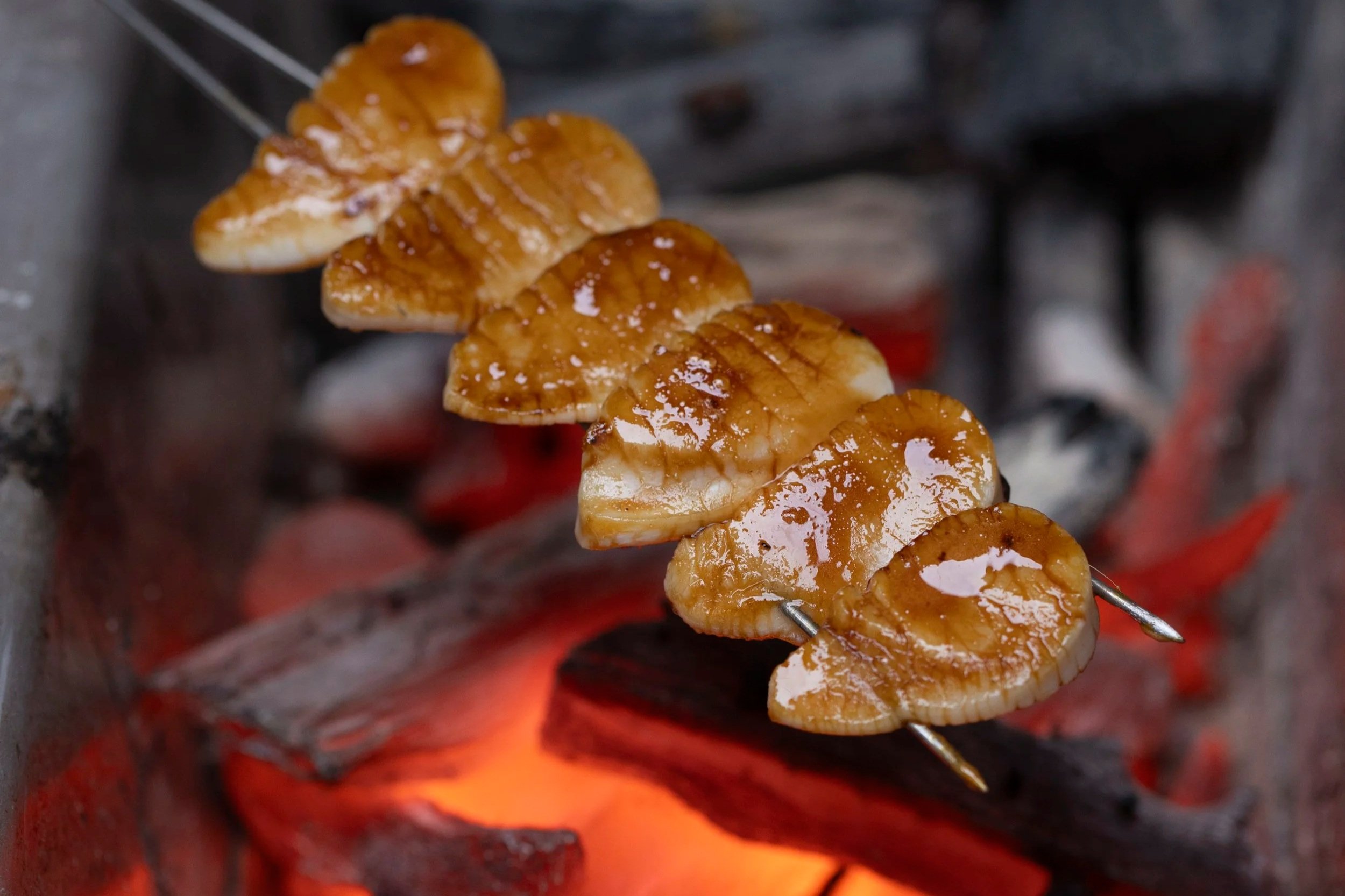
Courtesy of Honey Badger, Photo by Melissa HOM
We eat from the wild in Trinidad (Junayd). Everyone grows their own crops, and we cook with ingredients native to the land as well as those brought by the island's diversity. It’s become quite an international style—a melting pot of flavors.
Meanwhile, Fjölla grew up on her mother’s farm in Albania during the war. Scarcity became central to how they lived; they preserved food each season, used every part of the animal, and were educated about what they were eating. All of these factors have inspired the way in which we put wild flavors together.
Who is the ideal Honey Badger guest?
I think our ideal guests are those who are excited to reconnect with real food in a world where big food has taken over so much of what we eat. They’re people who care about wellness and where their food comes from. Fine dining can be about more than just the food itself—we think about how each dish makes you feel when we’re serving it. We’re constantly working to shorten the chain, creating a closer connection between the land, the ingredients, and the guest.
What’s the wildest thing you’ve ever served in Honey Badger?
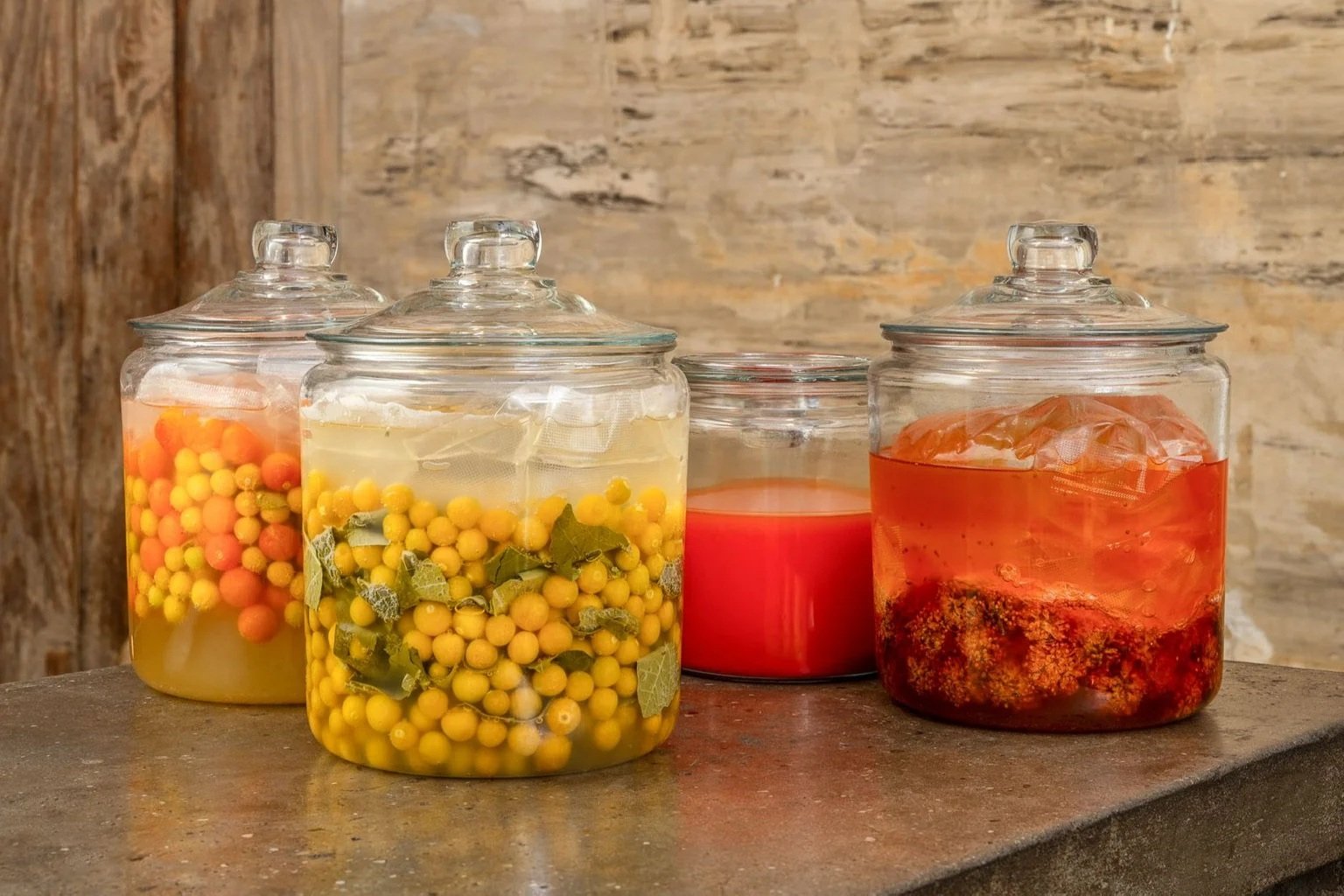
Courtesy of Honey Badger, Photo by Ilir Razaj
It's hard to give an answer. Each season is ephemeral. Every microseason prior prepares you for the microseason ahead so you’re getting all the nutrition you're supposed to get from the land. We’ve served everything from red deer parts and water buffalo, to pumpkin cod and curried jellyfish. Something extra special to Honey Badger is that we make our own caviar. We cure the eggs from snails, limpids, fish and frogs.
Everyone says they have good taste. What separates great taste from good taste?
It’s about having the knowledge to understand the difference between things so you can make the right choices. When you know very little about something, you can be easily persuaded, but when you understand the details, you’re able to recognize quality. Michelin represents good taste through consistency, quality, balance, and craftsmanship. Great taste, however, is more personal—it’s what you individually find delicious or beautiful. The more exposure you have to different flavors, ingredients, and experiences in the kitchen, the more your palate expands. If you’re only eating the same things over and over, your perspective can become limited. It can still be good, but there’s a whole other level of appreciation that comes from expanding your experiences and understanding of food.
NYC’s dining scene is very saturated, what makes a restaurant a true tastemaker right now?
Knowing who you are is everything. Every decision—from the music and menu to the lighting and course pacing—should reinforce the identity of the restaurant. Guests expect every element, from the plate to the cocktail, to meet the same high standard, and that combination of creativity, consistency, and execution is what makes Honey Badger different.
What role do you think restaurants play in shaping the way people move, gather, and talk about a city?
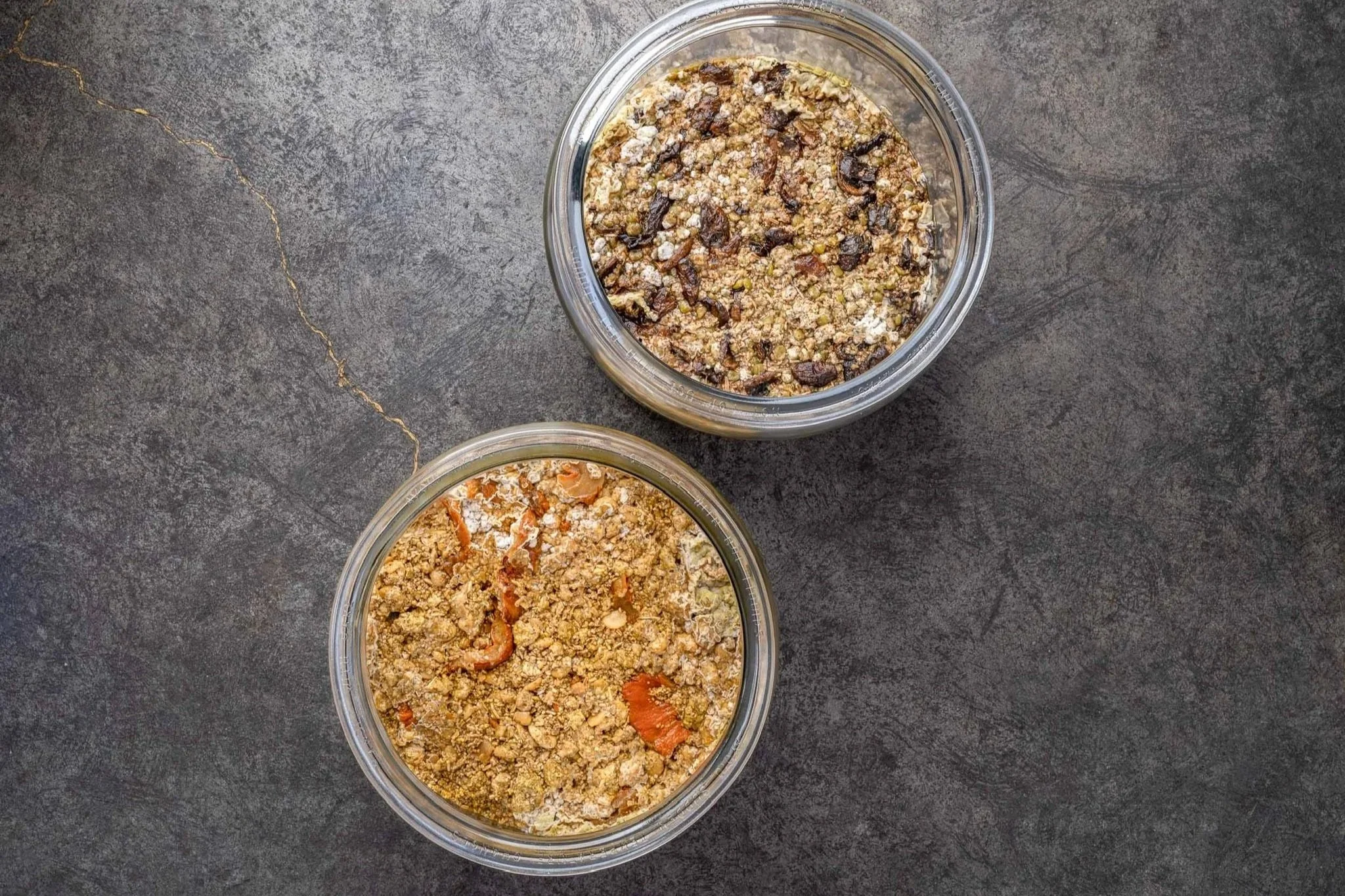
Courtesy of Honey Badger, Photo by Ilir Rizaj
Restaurants are the last true third spaces. They provide that lubrication to connect with a community through the drinks and food, creating neighborhoods that reflect the city's diversity.
Great restaurants don’t follow a city's culture but help create it.
Which cities do you think are quietly shaping the most interesting food culture right now?
Barcelona, Bali, Tokyo, Seoul, Mexico City, and of course, NYC to name a few.
Secure a reservation at Honey Badger to experience its foraged fare and fermentation-driven menu firsthand and find more great experiences on Pike.